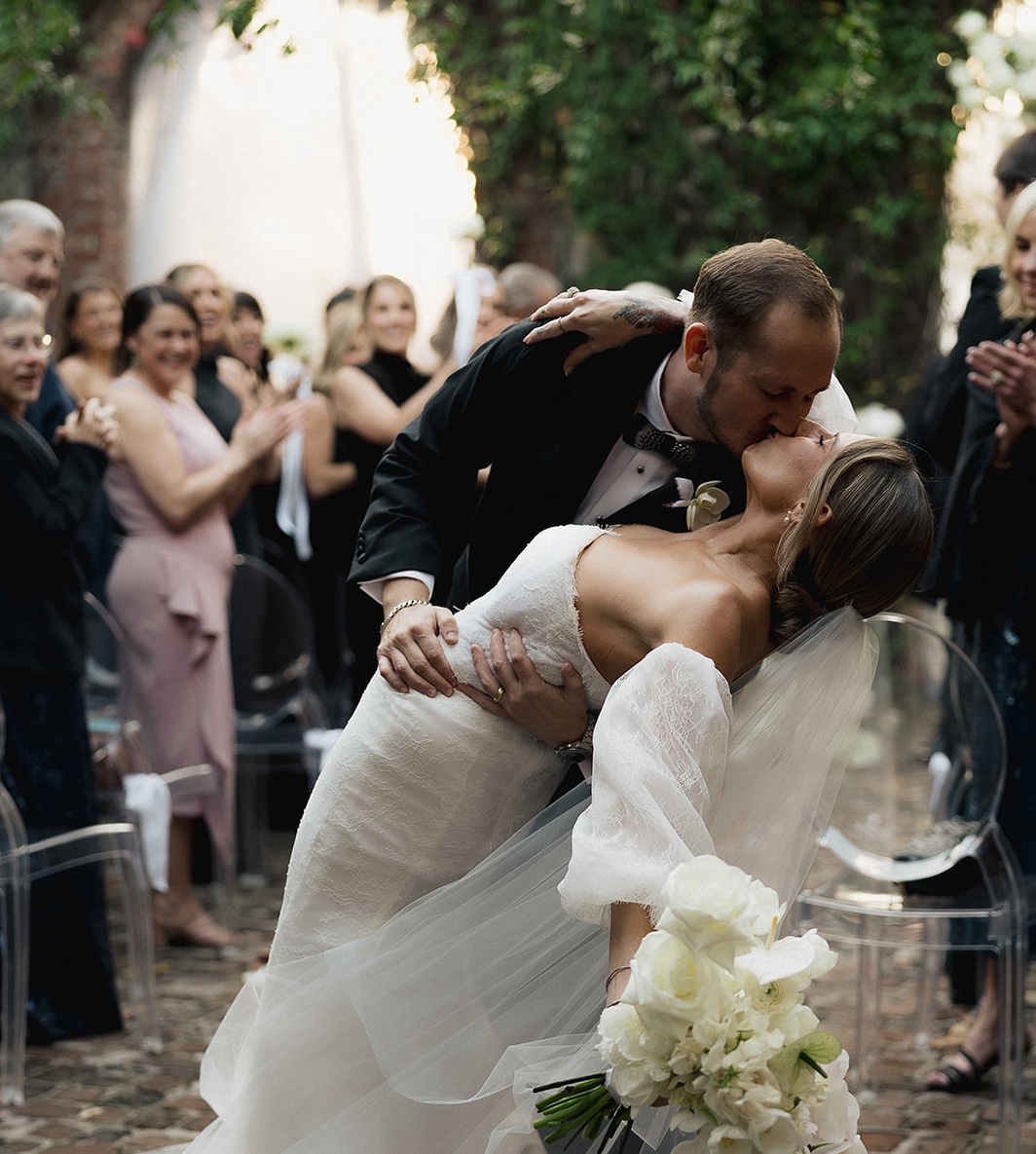
Wedding photography is often spoken about in practical terms. Coverage windows. Deliverables. Timelines. What’s included.
Those conversations make sense. Planning a wedding requires structure and clarity, especially when the day itself carries so much emotional weight. But those details live on the surface of what photography actually holds.
The deeper value of wedding photography is quieter. It lives in judgment rather than output. In discernment rather than documentation. In the ability to interpret a day, not simply record it.
For me, everything comes back to curation and authorship.
These are not abstract ideas or artistic language meant to elevate the work rhetorically. They are lived principles. They shape how I photograph weddings and how I think about the images that remain long after the day itself has passed.
Because photography does not just preserve memory.
It shapes it.
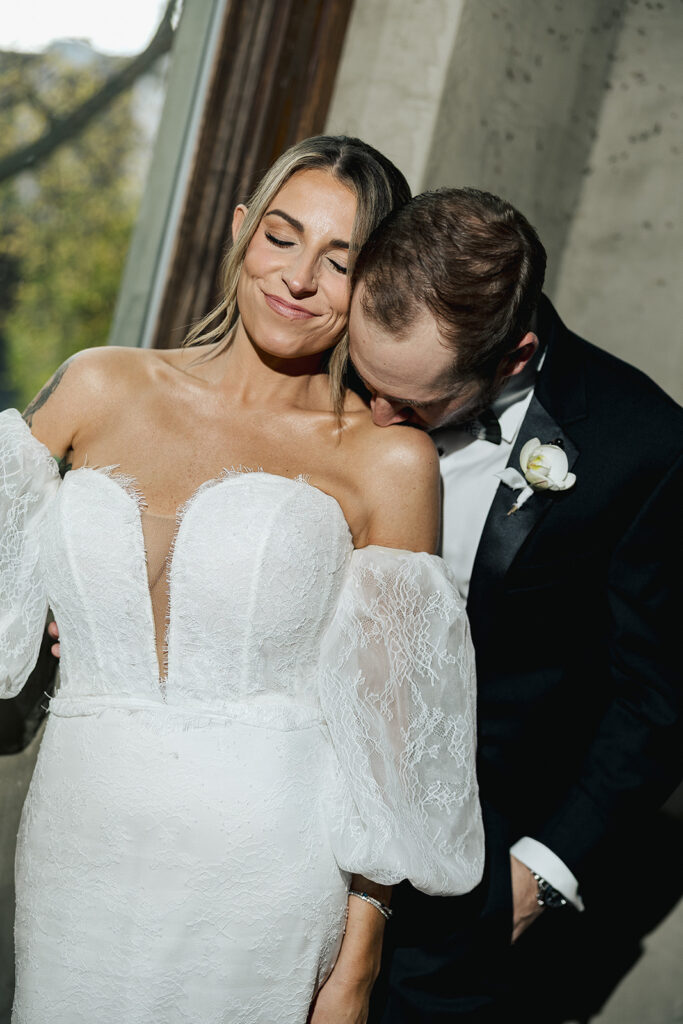
Photography as an Act of Interpretation
A wedding day contains an extraordinary amount of information.
There are moments that announce themselves. A ceremony entrance. A shared laugh during a speech. An embrace that lasts just a second longer than expected. These moments are easy to recognize as important.
But there is another layer that often goes unnoticed. Quiet gestures. Pauses. The moments between moments. These are rarely loud, but they are often the most meaningful.
Photography, at its most intentional, is not about collecting everything that happens. It is about interpreting which moments carry emotional weight and deserve to be preserved.
This philosophy informs every part of how I work with couples, from how I move through a wedding day to how the entire experience of working together is designed to feel from the very beginning.
This is where curation begins.
Curation is not omission for the sake of minimalism. It is clarity. It is the practice of deciding what matters enough to remain.
Without curation, photography becomes accumulation. And accumulation rarely creates memory. It creates noise.
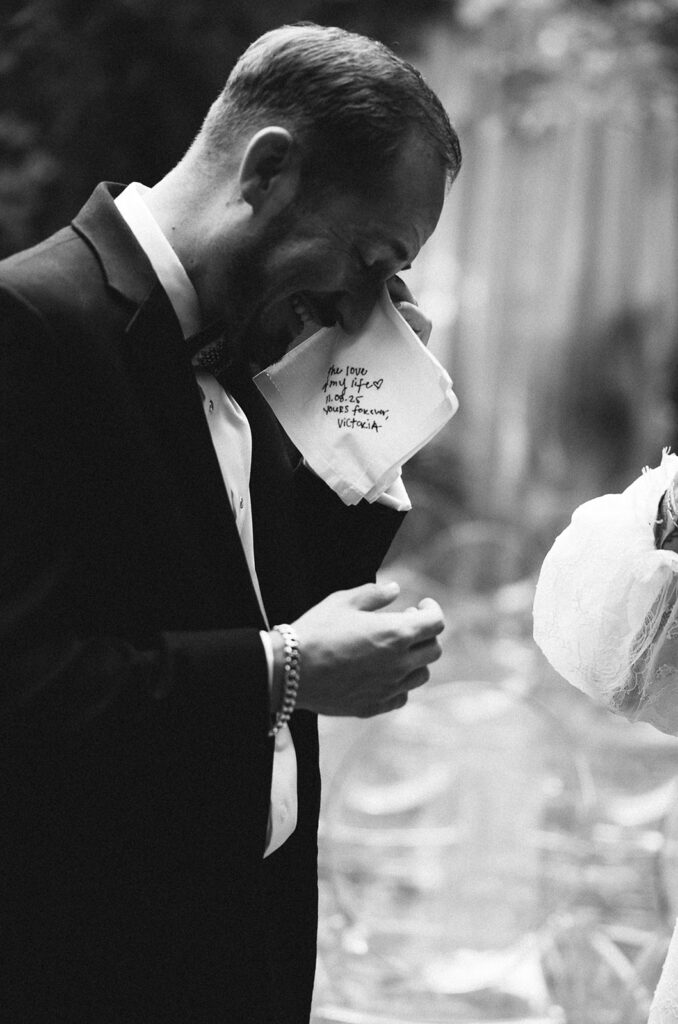
Interpretation Requires Slowing Down
Interpretation cannot happen at speed.
Wedding days move quickly. Conversations overlap. Moments unfold simultaneously. To interpret rather than react, a photographer has to slow their internal pace while everything around them accelerates.
This slowing down is intentional. It allows meaning to surface.
When you are not rushing to capture everything, you begin to see what is actually unfolding. You recognize when a moment is complete and when it still needs space. You notice when presence matters more than documentation.
This approach is closely tied to how couples feel in front of the camera. When the environment feels calm and unforced, people soften naturally. That ease is something I’ve written about in how I help you feel at ease in front of the camera.
This is where interpretation becomes possible.
Why Curation Is Central to Value
Modern technology makes it easy to document everything. Cameras are fast. Storage is abundant. Automation encourages volume.
But value does not increase alongside volume.
Value increases with discernment.
Curation requires constant decision-making. It asks the photographer to evaluate emotional tone, timing, and relationships in real time. It requires the confidence to wait, and sometimes the confidence to let a moment pass unrecorded.
These decisions happen quietly. Often invisibly. But they shape everything that follows.
A curated gallery reflects respect for the couple’s experience. It acknowledges that memory is not exhaustive. It is selective. And that selectivity is what gives memory its power.
Curation Is an Act of Care
Curation is often framed as an aesthetic choice. In reality, it is an emotional one.
Choosing what to include is also choosing what to protect. Not every moment benefits from being preserved visually. Some moments are powerful precisely because they were lived fully, without interruption.
This care also shows up in resisting outside pressure to perform for trends or visibility. I’ve shared more thoughts on stepping away from that noise in Unfollow the Wedding Algorithm.
Curation reflects trust in the story rather than anxiety about missing something.
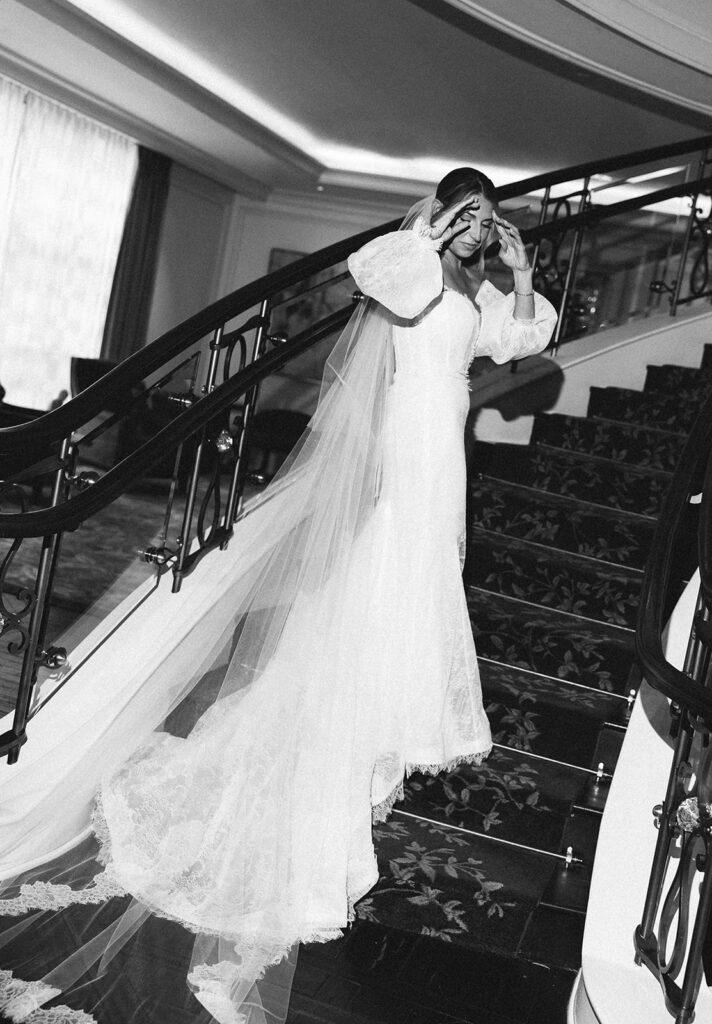
Memory Is Not a Complete Record
We do not remember days as timelines. We remember them as impressions.
Certain moments become anchors. Others fade naturally into the background. Photography, when practiced with intention, mirrors this process rather than fighting against it.
Curation allows a wedding gallery to function the same way memory does. It highlights what stood out. It preserves what carried meaning. It allows the rest to remain part of the experience without demanding attention.
This is not about withholding.
It is about honoring how memory actually works.
Why Repetition Weakens Memory
When moments are repeated too often, their impact diminishes.
A single, well-chosen image can hold more emotional weight than several similar variations. Repetition flattens memory. It turns moments into content rather than meaning.
Curation protects against this. Each image earns its place. Each moment appears with intention.
This is why curated galleries feel stronger over time. They invite return rather than exhaustion.
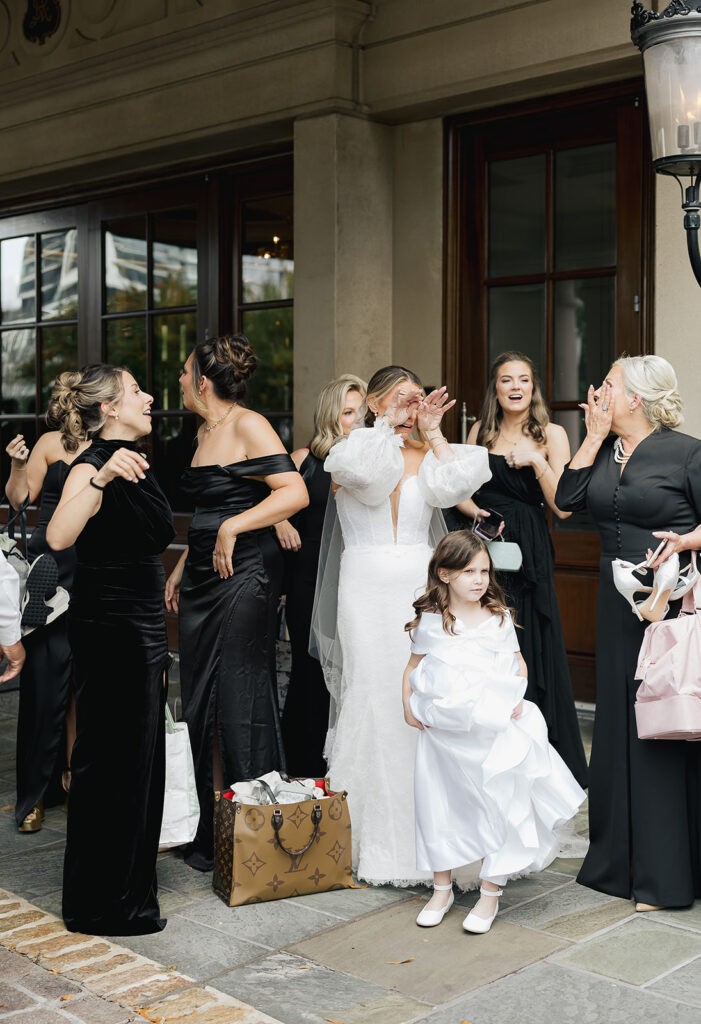
The Emotional Effect of Restraint
Restraint is often misunderstood as absence. In reality, it is presence with intention.
When a gallery is curated thoughtfully, each image has room to exist fully. Nothing competes unnecessarily. The emotional rhythm of the day becomes clear.
Calm moments feel calm. Charged moments feel charged. Nothing is exaggerated. Nothing is diluted.
Restraint allows emotion to land.
Restraint Signals Confidence
Restraint is a signal of confidence.
It takes confidence to decide that something does not need to be shown again. Confidence to trust that one image is enough. Confidence to allow quiet moments to exist without explanation.
This confidence is felt by the viewer, even if they cannot articulate why. The gallery feels assured. Grounded. Considered.
That feeling is part of the value.
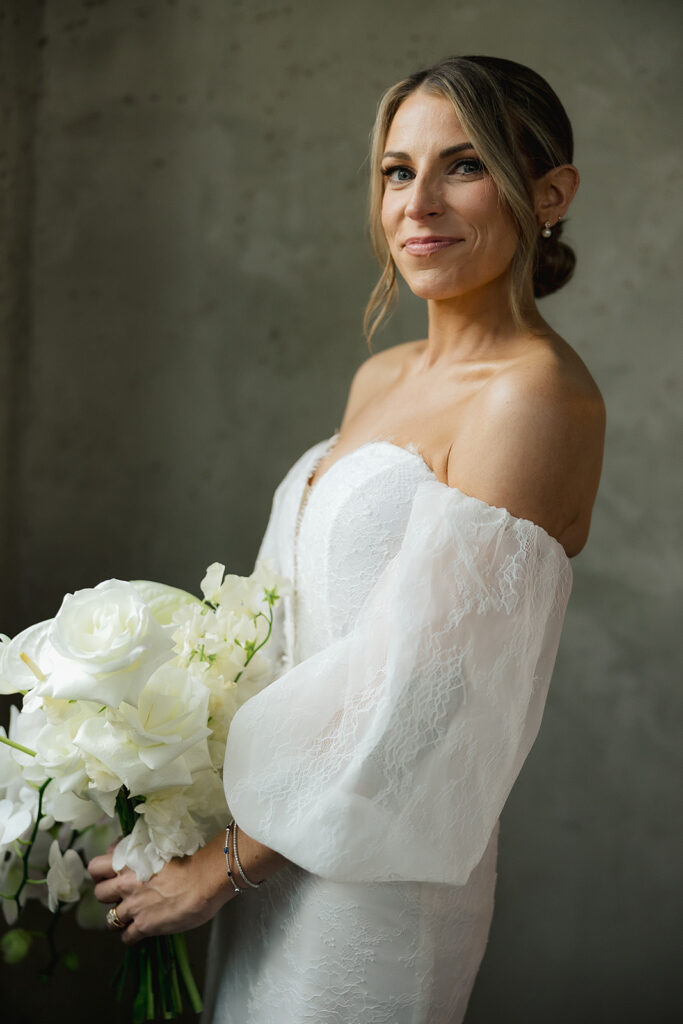
Editing as Authorship
Editing is where curation becomes tangible.
It is often described as a technical step, but that framing misses its significance entirely. Editing is authorship. It is the continuation of every decision made during the wedding day itself.
Editing asks how an image should exist in relation to the others. It considers tone, light, color, and pacing. It asks how the gallery should feel as a whole, not just how individual images appear in isolation.
Authorship is not about imposing a look.
It is about honoring what already exists.
Authorship Begins Before the Edit
Editing does not begin at the computer. It begins with where a photographer chooses to stand.
Authorship starts with how light is read, how movement is anticipated, and how space is respected. The edit simply carries those decisions forward.
This is why editing cannot be separated from experience. It is not corrective. It is interpretive.
The edit does not impose meaning.
It clarifies it.
Editing as Interpretation, Not Enhancement
When editing is treated as authorship, the goal is not transformation. It is interpretation.
The question is never how to make something louder or more dramatic. The question is how to remain true to what was experienced.
Editing becomes refinement rather than embellishment. Decisions are made to support coherence, not spectacle.
This approach resists excess not out of limitation, but out of care for longevity.
Why Subtlety Matters More Than Style
Subtlety requires precision.
It demands an understanding of tone, balance, and restraint. It requires knowing exactly how far to go and when to stop.
Subtle editing allows photographs to exist outside of trend cycles. They do not announce when they were created. They simply feel consistent with themselves.
That consistency is what allows them to endure.
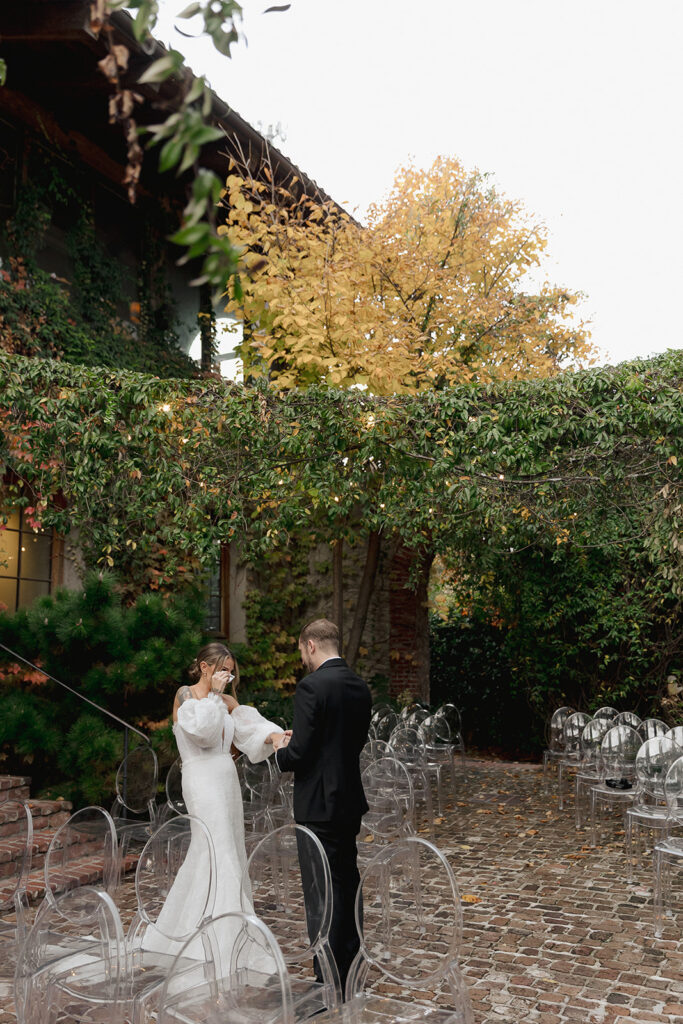
Cohesion as a Form of Care
A wedding gallery is not a collection of standalone images. It is a narrative.
Authorship means thinking in sequences rather than singles. It means understanding how one image prepares the viewer for the next. How tone and pacing guide emotional flow.
Cohesion removes distraction. It allows the viewer to remain inside the story without noticing the process behind it.
This is not about polish.
It is about respect.
A Gallery Is a Conversation, Not a Collection
Each image speaks to the next.
Some images create space. Others carry momentum. Some anchor the narrative. Others allow breath.
Authorship means understanding this conversation and shaping it intentionally. The result is a gallery that feels guided rather than overwhelming.
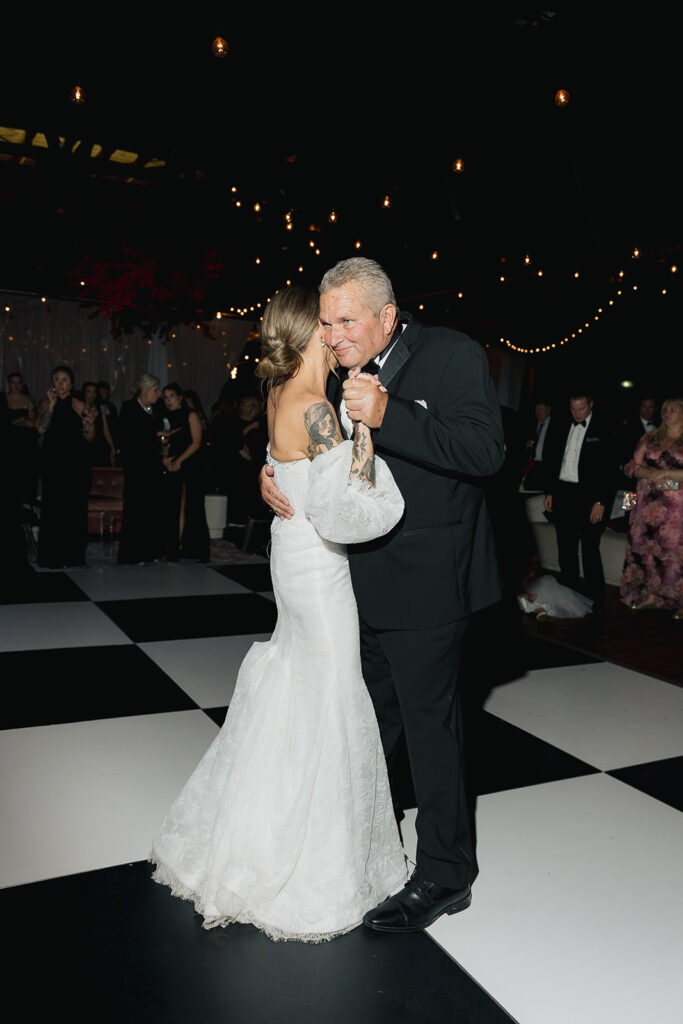
Editing for Longevity
Visual trends move quickly. What feels current now can feel dated sooner than expected.
Editing with authorship in mind resists trend-driven decisions not as rejection, but as commitment to endurance.
When light is honored rather than manipulated and tone is handled thoughtfully, photographs are allowed to age naturally.
They do not rely on context to be understood.
They simply remain.
Longevity Is a Design Choice
Longevity does not happen accidentally. It is designed.
It comes from choosing consistency over novelty. Restraint over excess. Interpretation over embellishment.
These choices are made repeatedly, throughout the entire process.
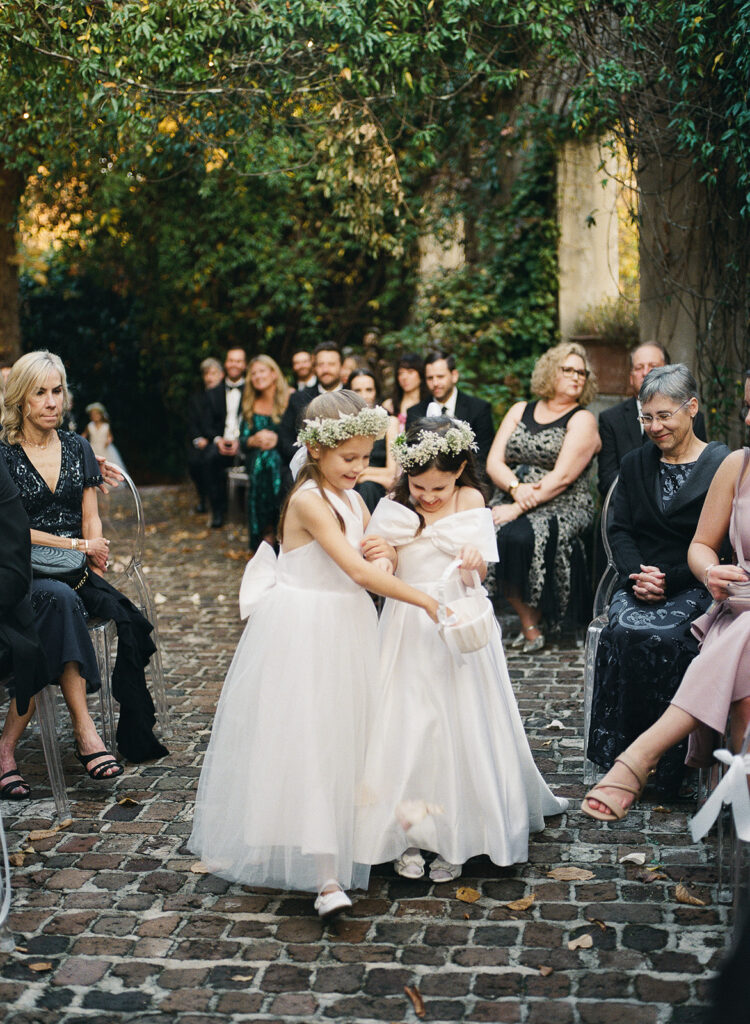
Experience as the Root of Judgment
Curation and authorship are inseparable from experience.
Years of photographing weddings build an understanding of how days actually unfold. Not how they are planned, but how they move in real time.
Experience teaches where to look when nothing obvious is happening. It sharpens awareness. It builds trust in decision-making.
Judgment Is Earned, Not Assumed
Judgment is learned through repetition and reflection.
Experience reveals patterns. It shows what lasts. It builds confidence in discernment.
This confidence allows a photographer to move through a wedding day with calm assurance, making decisions without hesitation.
That assurance shapes everything that follows.
Calm as a Creative Tool
Experience creates calm.
Calm allows space. Space allows moments to unfold naturally.
Curation and authorship depend on this calm. Without it, decisions become reactive. With it, they become intentional.
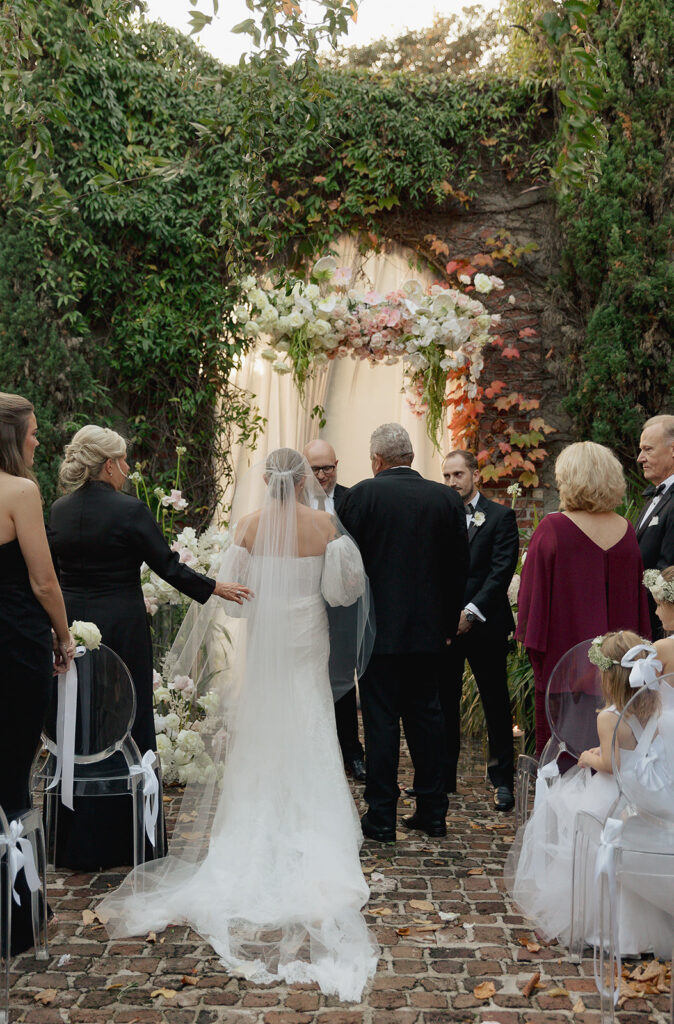
Presence as an Outcome
When couples trust the process, they stop performing.
They are not managing moments for the camera. They are immersed in how the day feels.
Curation and authorship remove pressure. They create space for presence.
That presence becomes visible in the photographs, even years later.
Presence Is the Quiet Goal
Presence cannot be staged.
It emerges when couples feel supported rather than managed. When they trust that nothing needs to be repeated or exaggerated.
This trust is built through approach, not instruction.
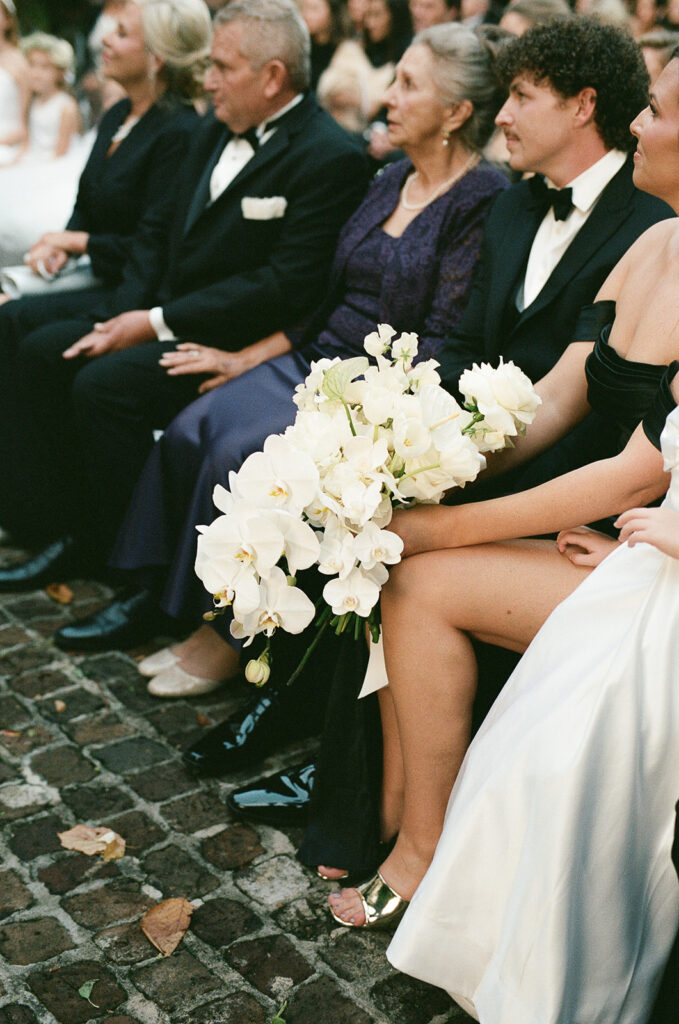
Photography as Memory-Shaping
Photography does not just preserve memory. It influences it.
The images you return to reinforce certain moments and soften others. They shape how the day is remembered and retold.
Curation ensures that what is reinforced aligns with what mattered most.
Authorship ensures that reinforcement is handled with integrity.
What Is Remembered Is What Was Chosen
Memory is shaped by emphasis.
What is curated thoughtfully becomes part of the lasting narrative. What is left out fades naturally.
This is not loss.
It is clarity.
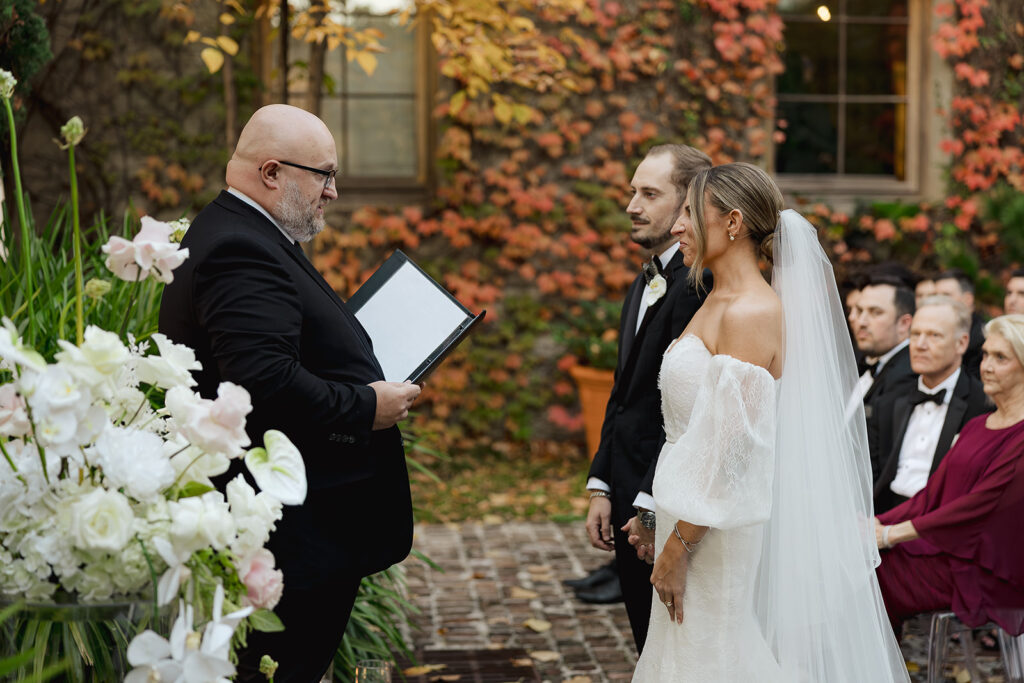
What Remains Over Time
Years from now, the significance of wedding photography will not be measured by quantity.
It will be felt in how easily the images bring you back.
In how clearly they reflect who you were.
In how naturally they still belong to your life.
That is where value lives.
Not in accumulation.
But in discernment.
Not in excess.
But in meaning.
Photography, at its best, does not ask to be noticed.
It earns its place over time.
A Quiet Next Step
If this way of thinking resonates, the next step is not urgency. It’s alignment.
You can explore what it looks like to work together when it feels right, or reach out directly through the contact page when the timing feels aligned.
Frequently Asked Questions
What does “curation” mean in wedding photography?
Curation is the intentional selection of images that best tell the story of the day. Rather than delivering everything that was captured, a curated gallery focuses on moments that carry emotional weight, visual cohesion, and narrative clarity.
How is editing considered authorship?
Editing is where the photographer’s perspective becomes visible. Decisions about pacing, tone, color, and sequence shape how the story is remembered. Authorship means the photographer is not simply documenting events, but interpreting them with care and intention.
Why doesn’t quantity matter as much as intention?
A large number of images does not necessarily lead to a deeper or more meaningful record. Thoughtfully chosen photographs allow space for reflection and memory, helping the most important moments stand out rather than get lost.
Will a curated gallery still include important moments?
Yes. A curated gallery does not exclude meaningful moments. It refines them. The goal is to ensure that what remains reflects the emotional truth of the day without distraction or repetition.
How does this approach affect how the wedding day feels?
When the focus is on observation rather than constant production, the day often feels calmer and more present. Moments are allowed to unfold naturally, without interruption or pressure to perform.
Is this style right for couples who value tradition?
Curation and authorship do not replace tradition. They honor it. This approach gives space to the ceremony, relationships, and rituals that matter most, allowing them to be remembered with clarity and respect.
How does editing influence how memories age over time?
Timeless editing avoids trends and excess, helping photographs feel relevant years later. When images are shaped with restraint, they remain emotionally accessible long after the day itself has passed.
What should couples look for in a photographer if they value curation?
Couples should look for a photographer whose work feels cohesive, intentional, and emotionally grounded. Consistency across galleries often signals a strong editorial voice and a thoughtful approach to storytelling.
